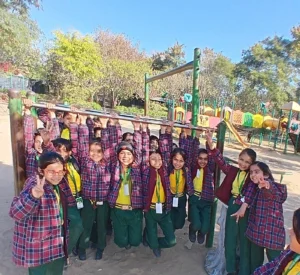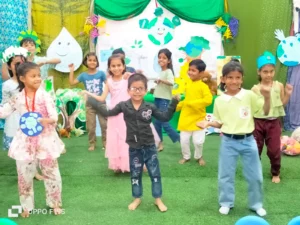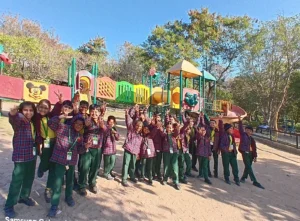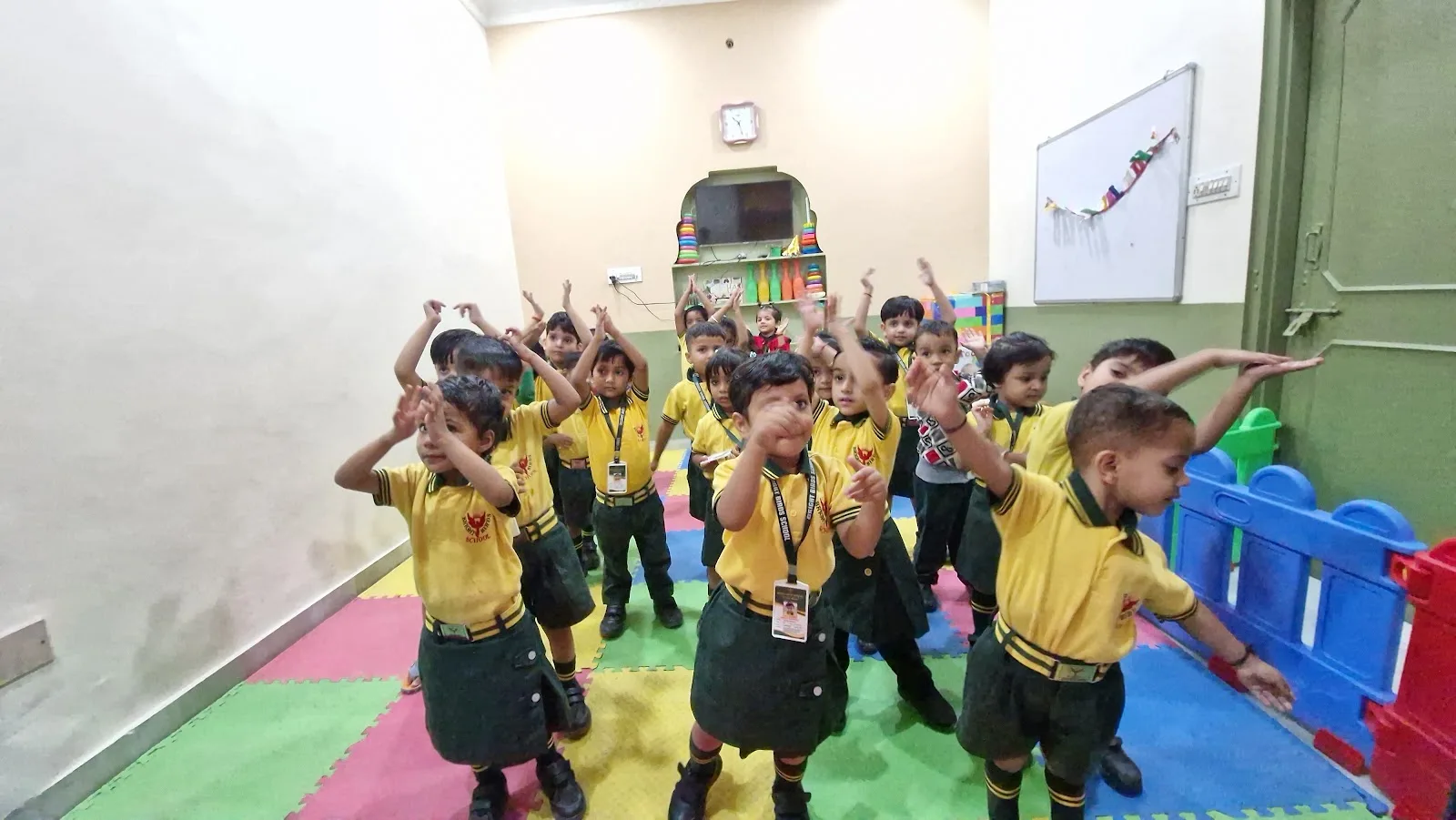

Play-based learning means children learn concepts through guided play, stories, music, movement and hands-on activities instead of only worksheets and memorising.
Why it works
Young children understand the world through their senses and actions. When they build with blocks, they learn shapes and balance. When they sing, they learn language and rhythm. When they share toys, they learn patience and cooperation.
What it looks like in class
- Circle time with songs, rhymes and stories
- Sensory activities such as sand, water and clay
- Building, sorting and matching games
- Art, craft and role play
- Outdoor play every day
Is it still academic?
Yes. Good play-based classrooms are planned carefully. Teachers choose activities that build language, early number sense, fine motor skills and curiosity, so children are ready for formal learning when the time comes.
What parents can do at home
Read together, let your child help in the kitchen, count everyday objects and give them time for free play.
Questions about admissions?
Our counsellor is happy to help. Book a visit or message us on WhatsApp.